Section
Theory
The body of knowledge behind Open Systems Theory — concepts, principles and history.
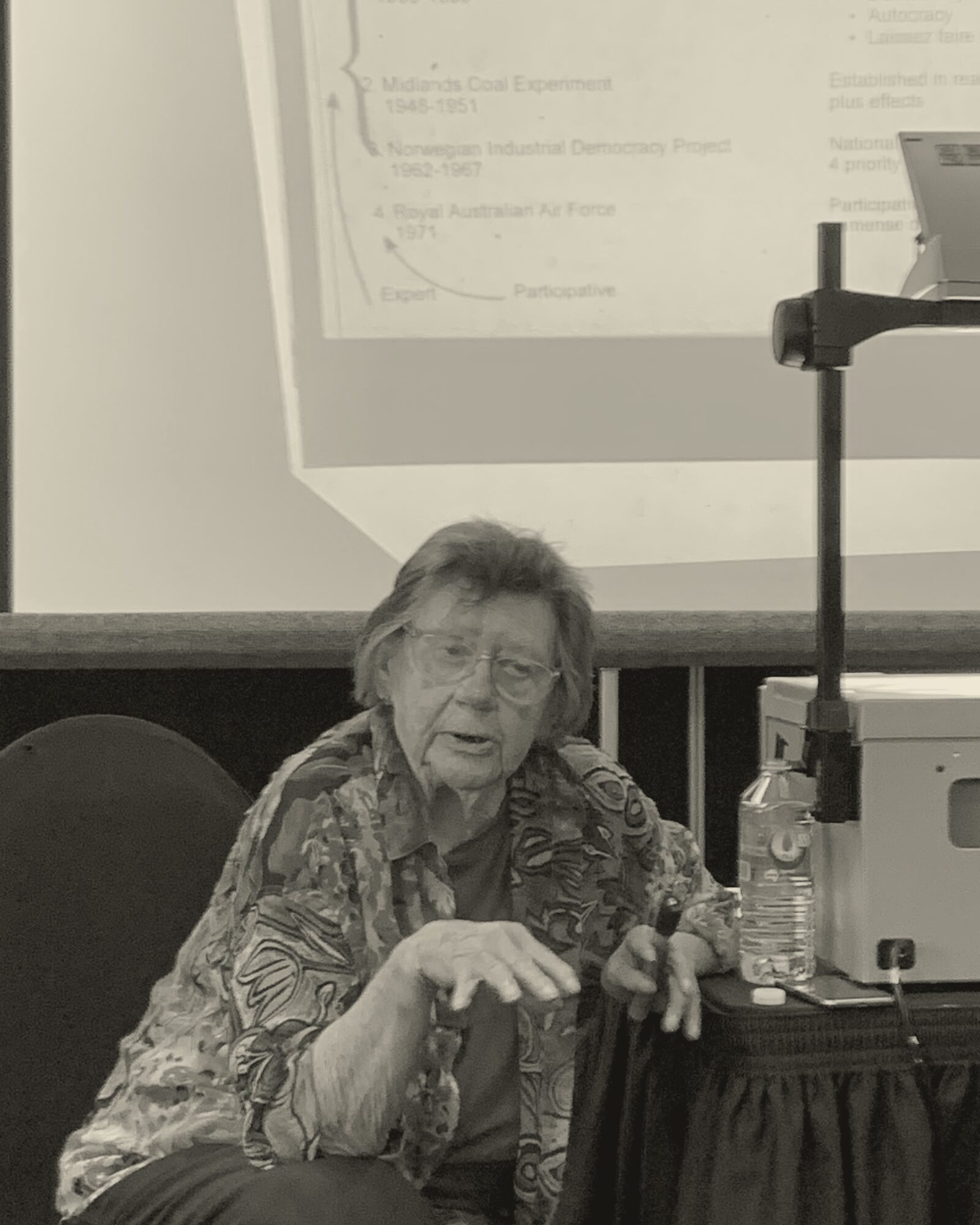
Open Systems Theory is a body of knowledge developed over 50 years of research and real-world practice. It explains how organisations, communities and the people in them interact with the environments around them, and how to design them so they thrive.
Start with the OST Primer for a short orientation, then dig into the foundational concepts:
- The System and the Environment — why a system can only be understood in the context of the environment it sits in.
- Design Principles — bureaucratic (DP1) and democratic (DP2) — the choice that determines how an organisation operates.
- The Six Criteria — the intrinsic motivators that make work productive and meaningful.
- A History of OST — where the theory came from and the scientific lineage it draws on.
The tools that apply this theory — Search Conference, Participative Design Workshop and Unique Design — each have their own section.
- 01Start 3 min
- 022 min
- 032 min
- 045 min
- 052 min